Dry Van Trailers
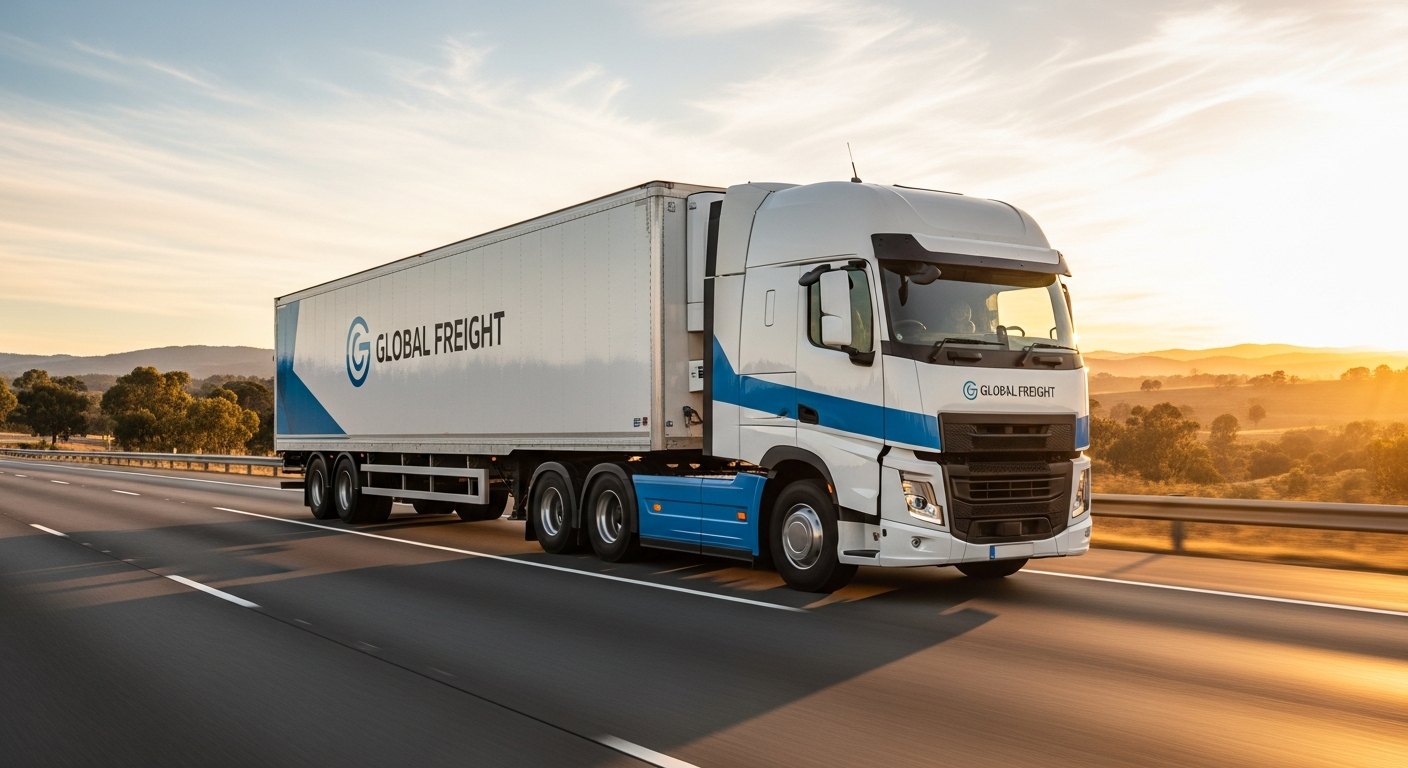
Our primary workhorse for general freight. Dry van trailers protect cargo from the elements and are suited for a vast range of commodity types including packaged goods, machinery parts, and retail products.
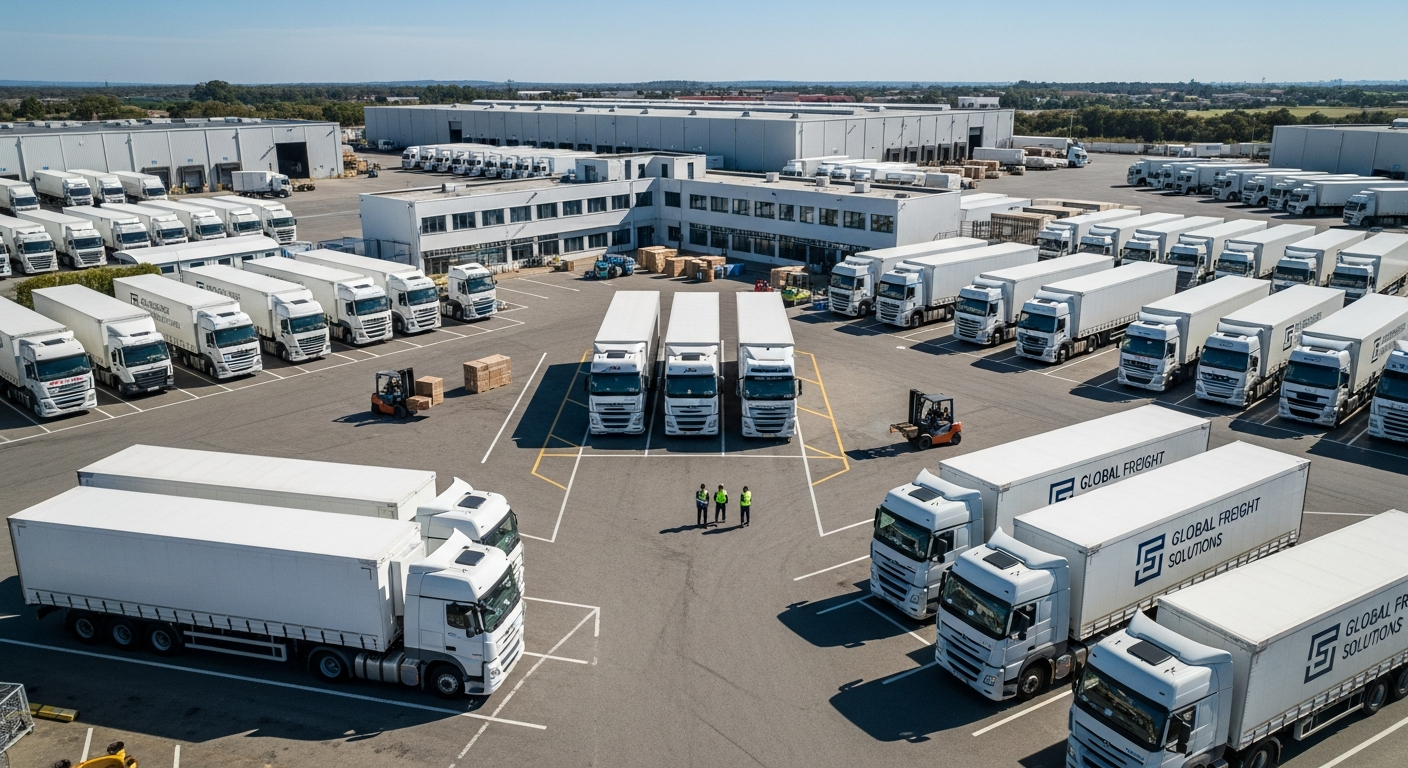
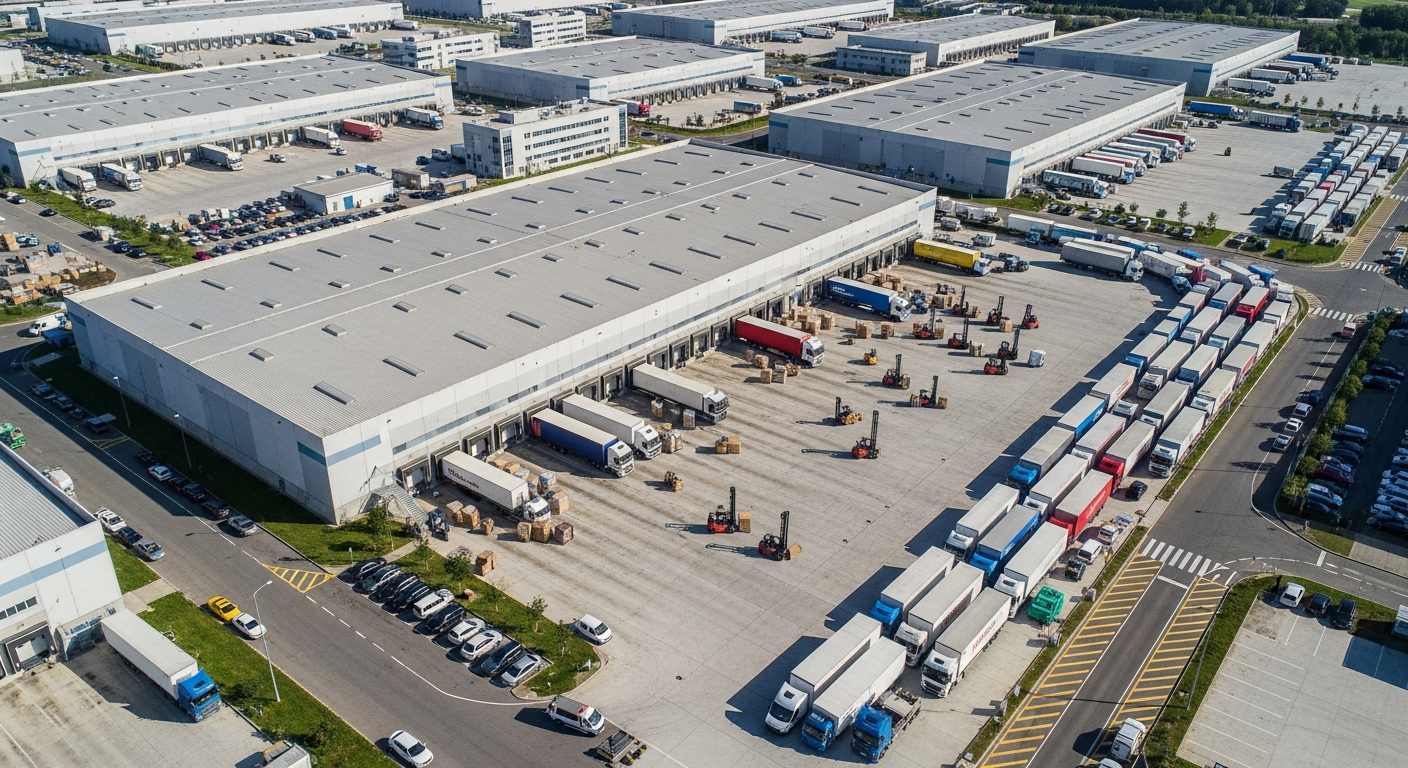
PSM maintains a well-maintained, safety-compliant owned fleet backed by a nationwide carrier network to ensure we always have the right asset for your load.
From standard dry van to oversize flatbed, our diversified fleet is equipped to handle a wide spectrum of freight commodities with maximum care and efficiency.
Our primary workhorse for general freight. Dry van trailers protect cargo from the elements and are suited for a vast range of commodity types including packaged goods, machinery parts, and retail products.
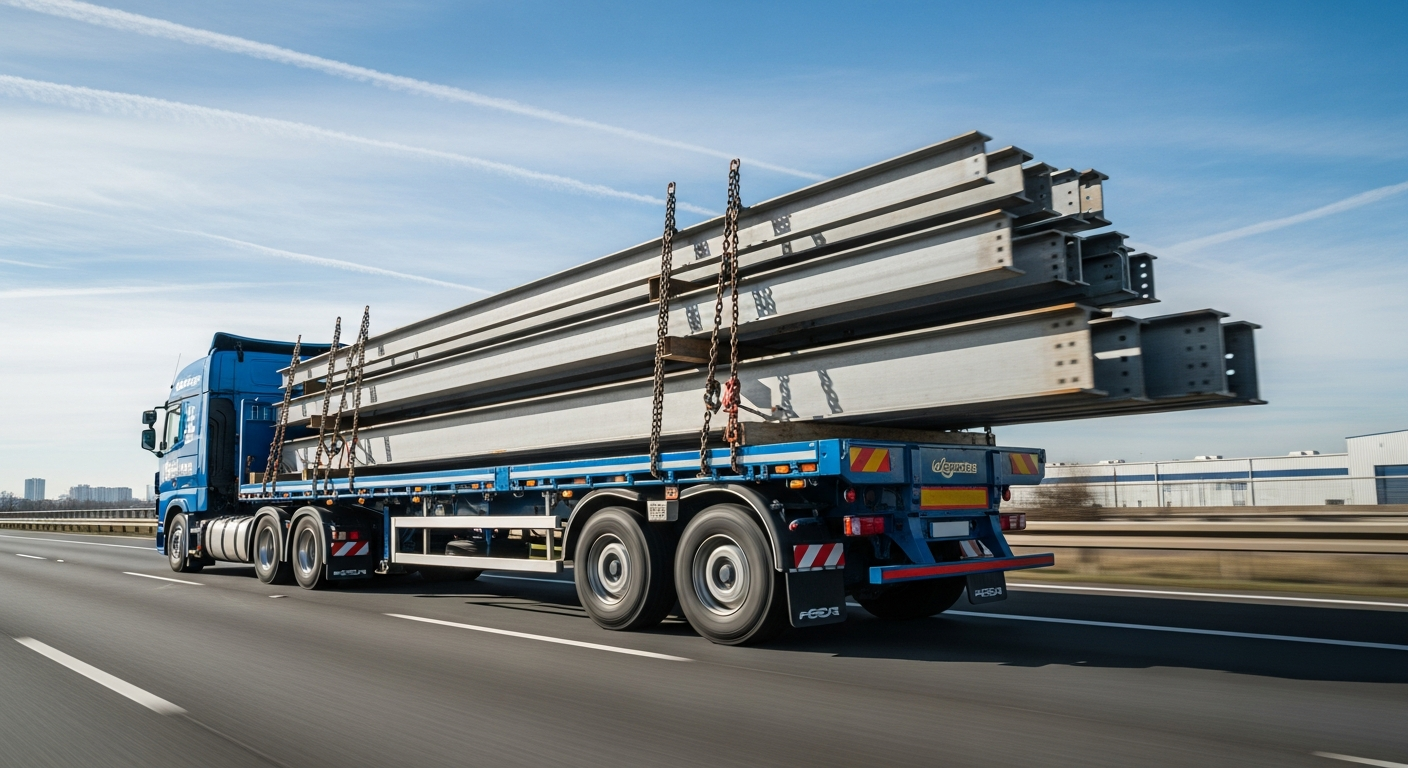
Ideal for oversized, heavy, or awkwardly shaped cargo that cannot fit inside an enclosed trailer. Commonly used for steel coils, construction equipment, lumber, and industrial machinery.
Temperature-controlled trailers designed to maintain precise climate conditions for perishable food products, pharmaceuticals, chemicals, and any cargo with strict temperature requirements.
Every vehicle in the PSM fleet undergoes a rigorous preventive maintenance program based on manufacturer OEM schedules and DOT compliance requirements. Our in-house mechanics and dedicated fleet maintenance partners keep downtime to an absolute minimum.
All drivers are fully credentialed with valid CDLs, medical certificates, and are subject to random drug and alcohol screening. Our safety score consistently ranks in the top tier of FMCSA's Safety Measurement System (SMS).
PSM invests in telematics and fleet management technology to improve safety, reduce costs, and provide clients with superior shipment visibility.
Every tractor is equipped with dual-purpose GPS and ELD hardware providing 1-minute position updates transmitted directly to our TMS and client-facing portal.
Telematics data captures speeding, harsh braking, cornering, and idling events — enabling proactive coaching and measurable fuel savings of up to 12%.
OBD-II telematics relay engine fault codes in real time, allowing our maintenance team to schedule repairs before breakdowns occur and minimize costly roadside incidents.
Drivers submit BOLs, delivery confirmations, and inspection reports digitally via tablet — eliminating paper trails and accelerating invoice cycles by 3–5 days on average.